
B. J. Palmer
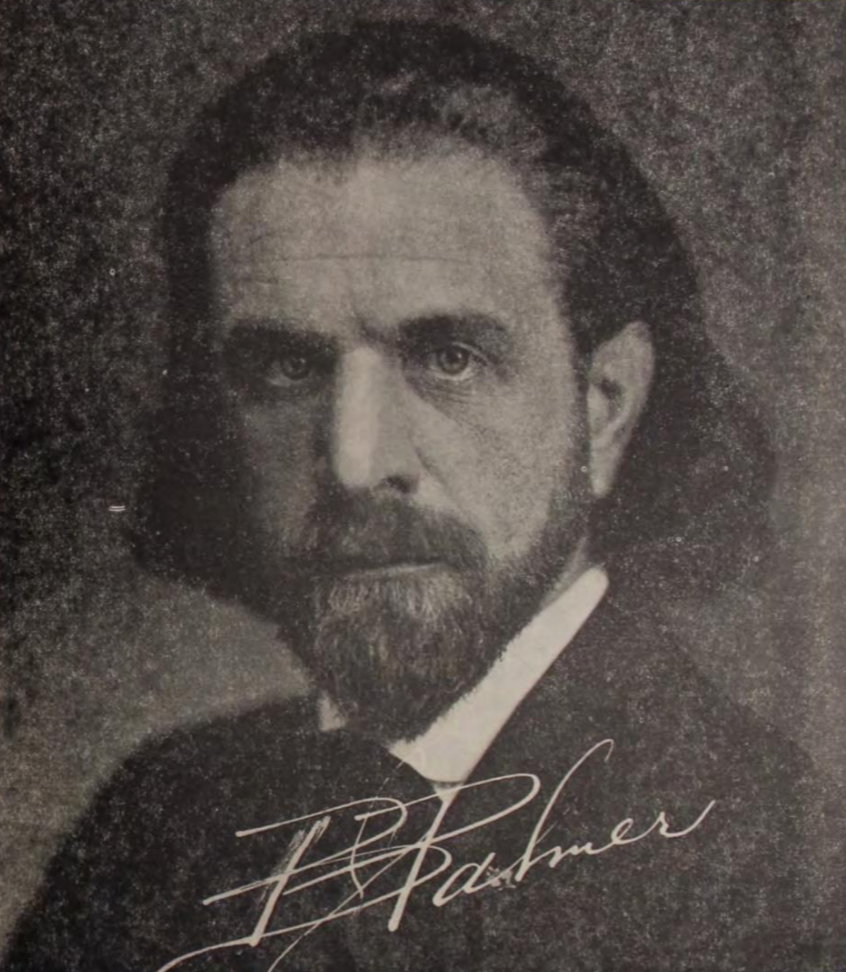
Son of chiropractic's founder; known as its Developer.

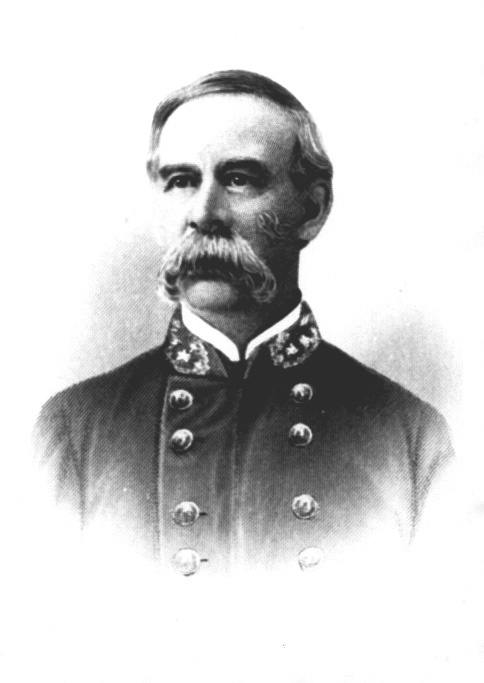
BlueDevil · CC BY-SA 3.0
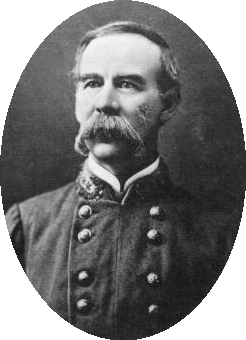
B. J. Known as the "developer" of chiropractic, he ran the Palmer School of Chiropractic and its associated clinics for decades. He modified the curriculum to emphasize the upper cervical spine and advocated for the use of the Neurocalometer and X-ray machines. Palmer also purchased radio stations WOC and WHO, using them to market chiropractic and broadcast farm, sports, and weather reports. His life and career were marked by both significant influence on the chiropractic profession and a controversial relationship with his father.
- field
- Chiropractic
- known_for
- Developer of chiropractic, advocate for Neurocalometer and X-ray, owner of radio
Lore & Background
B. J. The family lived in the back of a grocery store operated by D.D. remarried twice and moved the family to Letts, Iowa, where he worked as a schoolteacher and magnetic healer, developing chiropractic. ran the Palmer School of Chiropractic and its associated clinics for decades and became convinced that the upper cervical spine was key to health, modifying the Palmer School curriculum accordingly. He advocated for the use of the Neurocalometer and X-ray machines. Ronald Reagan was given his first broadcast job by the station manager of WOC, not directly by B.J. Palmer, to broadcast sports. B.J., Mabel, and David traveled through most of Asia in the 1920s, and B.J. wrote a book titled *Round the World with B.J.* detailing those trips. purchased a home on St. His son assumed the role of President of Palmer School of Chiropractic after his father's death.
Reader's Guide
B. J. Palmer's significance lies in his role as the "developer" of chiropractic, shaping the profession's educational and clinical focus. He ran research clinics for 16 years and modified the Palmer School curriculum to emphasize the upper cervical spine, a lasting influence on chiropractic theory. His advocacy for the Neurocalometer and X-ray machines advanced diagnostic tools in the field. Palmer. The allegation that B.J. deliberately hit his father with a car followed him for a generation. Chiropractic historian Joseph C. Keating, Jr. described the patricide interpretation as a myth and "absurd on its face," citing an eyewitness who recalled D.D. stumbled, and noting that civil and criminal charges were dropped or refused. The official cause of D.D.'s death was typhoid. This dispute reflects the rivalry between Palmer's school and Universal's. B.J.
Did You Know?
- B. J. Palmer was the only child of Daniel David Palmer, the founder of chiropractic.
- Ronald Reagan was given his first broadcast job by the station manager of WOC, not directly by B.J. Palmer.
- B.J. purchased a home on St. Armands Key in Sarasota, Florida in 1951, where he lived until his death from intestinal cancer in 1961.
The Son of the Founder
B. J. Palmer occupies a distinctive position in the history of alternative medicine as the direct son of D. D. Palmer, the individual credited with founding chiropractic. While his father is recognized as the originator of the discipline, B. J. Palmer is specifically identified as the "developer" of chiropractic, a distinction that places him in the role of builder and expander rather than originator. This generational relationship is central to understanding his place in the field: he did not create chiropractic from nothing, but rather took the foundational work established by his father and carried it forward. In the broader catalog of alternative medicine figures, his entry is inseparable from his father's, as his recognition is framed through the lens of what D. D. Palmer first established. The pairing of founder and developer suggests a natural progression, where one generation plants the seed and the next tends the growing practice into something more structured and enduring.
Developer in a Field of Founders
Within the wider landscape of alternative medicine, B. J. Palmer is grouped alongside a remarkable array of individuals notable for developing, founding, inventing, promoting, practicing, marketing, commentating, or researching on alternative medicine. His specific contribution is characterized as "developing" chiropractic, which sets him apart from pure founders like Samuel Hahnemann of homeopathy or Andrew Taylor Still of osteopathy. The term "developer" implies a process of refinement, expansion, and maturation of an existing concept rather than its initial creation. This positions B. J. Palmer as a figure who worked within the framework his father established, shaping chiropractic into a more defined and structured discipline. His recognition in this context acknowledges that the evolution of a therapeutic practice often requires not just a visionary originator but also a dedicated builder who translates initial ideas into a sustainable and recognizable field of practice.
A Place Among Alternative Medicine's Architects
B. J. Palmer's inclusion in the roster of notable alternative medicine figures places him in the company of individuals who have shaped diverse healing traditions across cultures and centuries. From the Yellow Emperor credited with founding traditional Chinese medicine to Edward Bach and his flower essence therapy, from Sebastian Kneipp's hydrotherapy to Mikao Usui's Reiki, the field encompasses an extraordinary range of approaches. Within this spectrum, chiropractic—founded by D. D. Palmer and developed by his son B. J. Palmer—stands as one of the more structured disciplines. B. J. Palmer's specific recognition as the "developer" distinguishes his contribution from the inventors and founders who populate the list, suggesting that his work involved systematizing and advancing a practice that already existed in its nascent form. His legacy is thus intertwined with both his father's original vision and the broader tradition of alternative healing he helped advance into wider recognition.
The Weight of a Name
The fact that B. J. Palmer is consistently identified in relation to his father—D. D. Palmer, the founder of chiropractic—speaks to the inescapable shadow of legacy in the history of alternative medicine. His title as "developer" rather than "founder" acknowledges both his significant contribution and the reality that the discipline's origin belongs to the previous generation. In a field where many figures are remembered primarily for a single invention or technique, B. J. Palmer's recognition is tied to an ongoing process of development, suggesting a sustained period of work rather than a singular moment of creation. His place in the listing alongside his father's entry underscores how closely their histories are bound. For anyone studying the evolution of chiropractic from its founding to its maturation, B. J. Palmer represents the crucial bridge between the initial concept and the developed practice, a role that is perhaps less celebrated than founding but no less essential to the discipline's survival and continued growth.
Gallery
Frequently Asked Questions
Who is B. J. Palmer?
B. J. Palmer (1881–1961) was an American chiropractor and the son of Daniel David Palmer, the man who originally founded the profession. He is most commonly referred to as the "Developer" of chiropractic, reflecting his role in expanding and formalizing the field after his father's death.
What did B. J. Palmer do at the Palmer School of Chiropractic?
He led the Palmer School of Chiropractic and its affiliated clinics for several decades, using that platform to reshape how the discipline was taught. A key change he pushed was shifting the curriculum's emphasis toward the upper cervical spine as the central focus of treatment.
How did B. J. Palmer market chiropractic to the general public?
He purchased two radio stations, WOC and WHO, and used their broadcast time to advertise chiropractic services to a wide audience. The stations also carried farm, sports, and weather programming to keep listeners tuned in between chiropractic spots.
What diagnostic tools did B. J. Palmer champion within chiropractic?
He was a vocal advocate for the Neurocalometer and for the use of X-ray imaging as part of chiropractic practice. These tools helped him argue for a more standardized, evidence-adjacent approach to diagnosis during an era when the profession faced heavy skepticism.
When and how did B. J. Palmer's life end?
B. J. Palmer died on May 27, 1961, at the age of seventy-nine. His passing closed a chapter in chiropractic history, as the institution he had built and the radio network he had controlled became central fixtures of the profession's growth in the early twentieth century.
More in Pioneers Of Alternative Medicine And Pseudoscience 1-18
Related in Pioneers Of Alternative Medicine And Pseudoscience
Links follow this subject's own source article.
Spotted an error? Know more?
This is a living reference — every entry is fact-audited, and reader corrections feed straight into our audit queue. Suggest an edit · See this site's audit record