
Arnold Ehret
German naturopath who developed the Mucusless Diet Healing System.

Arnoldehret-info · CC BY-SA 4.0
Arnold Ehret (July 29, 1866 – October 10, 1922) was a German naturopath, alternative health educator and germ theory denialist, best known for developing the Mucusless Diet Healing System. He authored books and articles on dieting, detoxification, fruitarianism, fasting, food combining, health, longevity, naturopathy, physical culture and vitalism. In opposition to medical science that asserts white blood cells are important components of the immune system, Ehret believed that white blood cells are caused by consuming mucus-forming foods, and as waste materials, poison the blood. His ideas about diet and disease have no scientific basis and have been criticized by medical experts as dangerous.
- died
- October 10, 1922
Verified Timeline
Lore & Background
Arnold Ehret was born in 1866 in St. Georgen (Black Forest), Schwarzwald, Baden, near Freiburg, southern Germany. His interests were physics, chemistry, drawing and painting. In 1887 at age 21, he graduated as a Professor of Drawing from a college in Baden. After studying in Frankfurt, he then taught there at a technical school for 15 years. Ehret was discharged from the army after nine months because of a heart condition. During the 1890s his health deteriorated and he took interest in naturopathy. He visited Sebastian Kneipp's water cure sanatorium in Wörishofen. He embraced fasting and a diet that consisted primarily of fruit. He founded a sanitarium in Switzerland and used his diet to treat people. He moved to the United States in 1914 and attended the Panama–Pacific International Exposition of 1915. He opened an office in Los Angeles to promote his ideas. As a young man, it is alleged that Ehret was diagnosed with Bright's disease which he cured with his mucusless diet but no reliable evidence has confirmed this. In his later life, Ehret convinced himself he possessed psychic powers. He attended seances and stated that he had contacted the spirit of his deceased father. Ehret developed and marketed the Innerclean Intestinal Laxative. In the 1930s the product was investigated and found to be fraudulent. Much of Ehret's early life is alleged to have been documented by Anita Bauer, a spiritualist. Bauer authored Arnold Ehret's Story of My Life in 1980 after claiming she had been visited by Ehret's ghost. Historians have questioned if the book is nothing more than 'lurid fiction.' On 9 October 1922, Ehret fell while walking down a street, sustaining a fatal injury to his head.
Reader's Guide
Arnold Ehret's significance lies in his development of the Mucusless Diet Healing System, which he claimed could cure disease by eliminating mucus-forming foods. His ideas, including the belief that white blood cells are decayed mucus in the blood that cause disease, that the lungs pump blood through the body while the heart is merely a valve, and that fasting can cure insanity, contradict established biology and have no scientific basis. Medical experts have criticized his diet as dangerous, noting it lacks essential nutrients and can lead to malnutrition. Ehret's legacy persists through his published works and the Ehret Literature Publishing Company, which continues to distribute his writings. His system is classified as a fad diet, and his claims—such as rice causing leprosy or gonorrhoea being caused by eating mucus foods—are considered pseudoscientific. The 1963 US Congress report on frauds and quackery cited Ehret as a quack whose 'cultists earnestly believed that women who adhered to the diet program of 'Professor' Arnold Ehret could expect 'immaculate conception.'' Despite this, his ideas have maintained a following among alternative health enthusiasts.
Did You Know?
- Ehret claimed he fasted for 105 days in total in 1909, and published an article about a 49-day fast in a German vegetarian magazine in 1910.
- He believed that white blood cells are decayed mucus in the blood that cause disease, directly contradicting medical science.
- Ehret's Innerclean Intestinal Laxative was found to be made from chopped herbs like Senna, indigestible agar residue, and sand, and was seized in 1931 for misbranding.
- The 1963 US Congress report on 'Frauds and Quackery effecting the Older Citizen' mentioned Ehret as a quack whose followers believed women on his diet could expect 'immaculate conception.'
- Ehret died on October 9, 1922, from a fall while walking down a street that caused a fatal head injury.
From Artisan to Natural Healer
Arnold Ehret was born on July 29, 1866, in St. Georgen (Black Forest), Schwarzwald, Baden, near Freiburg, southern Germany. His youthful curiosities stretched across physics, chemistry, drawing, and painting, and by 1887, at just twenty-one, he had graduated as a Professor of Drawing from a college in Baden. He went on to study in Frankfurt, where he spent fifteen years teaching at a technical school. His military service, however, was cut short after only nine months when a heart condition forced his discharge. The 1890s marked a dramatic turning point: Ehret's own health began to fail, and he turned toward naturopathy as a possible remedy. He traveled to Wörishofen to experience the water-cure treatments at Sebastian Kneipp's sanatorium, and from that point he embraced fasting and a diet centered almost entirely on fruit. He went on to establish a sanitarium in Switzerland, where he applied his dietary regimen to patients. Some accounts claim he had previously suffered from Bright's disease and cured it through his mucusless approach, though no reliable evidence has confirmed this.
The Mucusless Diet and Vitalist Physiology
Ehret's central thesis held that pus and mucus-forming foods were the cause of human disease, and that 'schleimlose' (slime-free) foods were the key to human health. In his model, the lungs served as the body's pump while the heart functioned merely as a valve. He further insisted that white blood cells were not protective immune cells but toxic waste produced by consuming mucus-forming foods, a claim that directly contradicted mainstream immunology. He renounced meat, eggs, milk, fats, cereals, legumes, potatoes, and rice, permitting nuts and seeds only sparingly during winter transitions. Citing Ragnar Berg, he labeled fats and proteins as acid-forming and unnatural, declaring that 'no animals eat fats' and 'all fats are acid forming, even those of vegetable origin, and are not used by the body.'
Swiss Fasting Experiments and the Move to America
In 1907, while based in Freiburg, Ehret traveled to Monte Verità, a nature-life colony in Ascona, Switzerland, near Lake Maggiore, a community whose visitors included Lenin and Trotsky. There he collaborated with Henri Oedenkoven who owned a sanitarium at Monte Verità, and together they opened a sanitarium in Ascona and another in nearby Lugano (Massagno), writing one of his books in Locarno. Around 1909 he launched a series of public lectures combined with extended fasts, all monitored by German and Swiss officials. He claimed a cumulative 105 days of fasting that year. In 1910 he published an account of a 49-day fasting experience in a German vegetarian magazine, which gained the public's interest and was later incorporated into his book Lebensfragen (Life Questions). In 1914 Ehret emigrated to the United States, where he attended the Panama–Pacific International Exposition of 1915 and subsequently opened an office in Los Angeles to promote his dietary and health teachings to an American audience.
Publications, Controversy, and Enduring Legacy
Ehret authored a broad body of writing spanning dieting, detoxification, fruitarianism, fasting, food combining, longevity, naturopathy, physical culture, and vitalism. He also developed and marketed a product called Innerclean Intestinal Laxative, which was investigated in the 1930s and found to be fraudulent. After his death on October 10, 1922—when he fell while walking down a street, sustaining a fatal injury to his head—his literary estate was carried forward by Fred and Lucille Hirsch, who published his works for sixty-five years. The torch symbol that appeared on his books became the logo of the Ehret Health Club. In 1979, the Ehret Literature Publishing Company Inc, in New York, inherited his publications along with an archive of unpublished German manuscripts. In 1980, a spiritualist named Anita Bauer published a book she titled Arnold Ehret's Story of My Life, claiming it was dictated by Ehret's ghost; historians have questioned if the book is nothing more than 'lurid fiction.' None of Ehret's medical claims are recognized as valid by experts in science, medicine, or nutrition, and his ideas have been criticized as dangerous.
Gallery
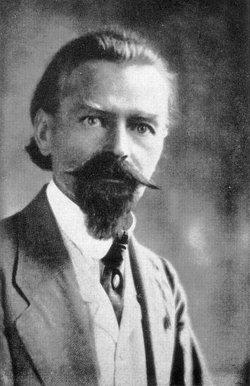
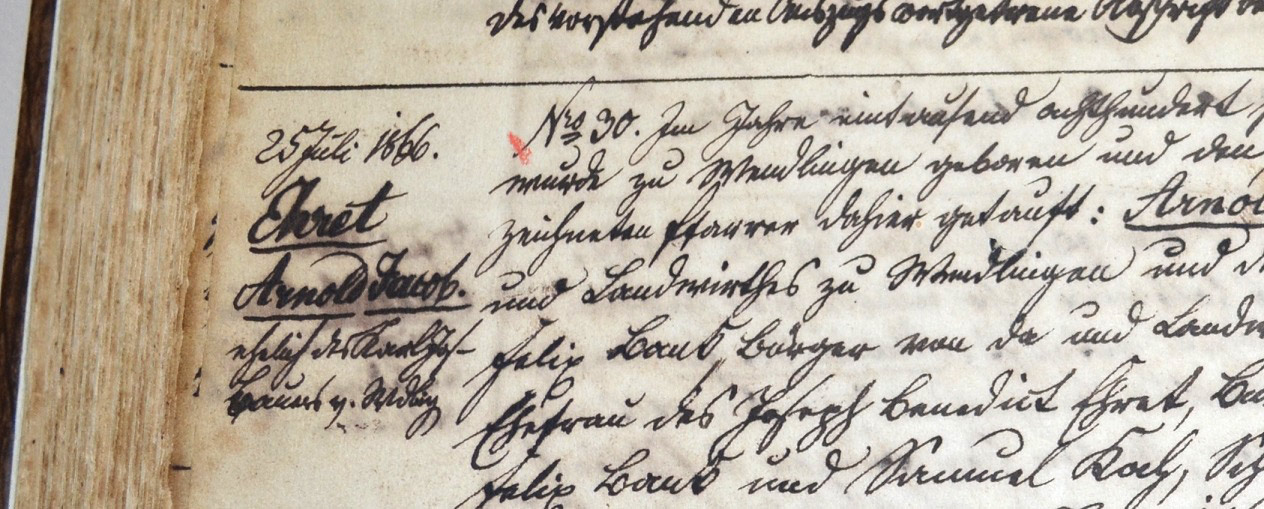
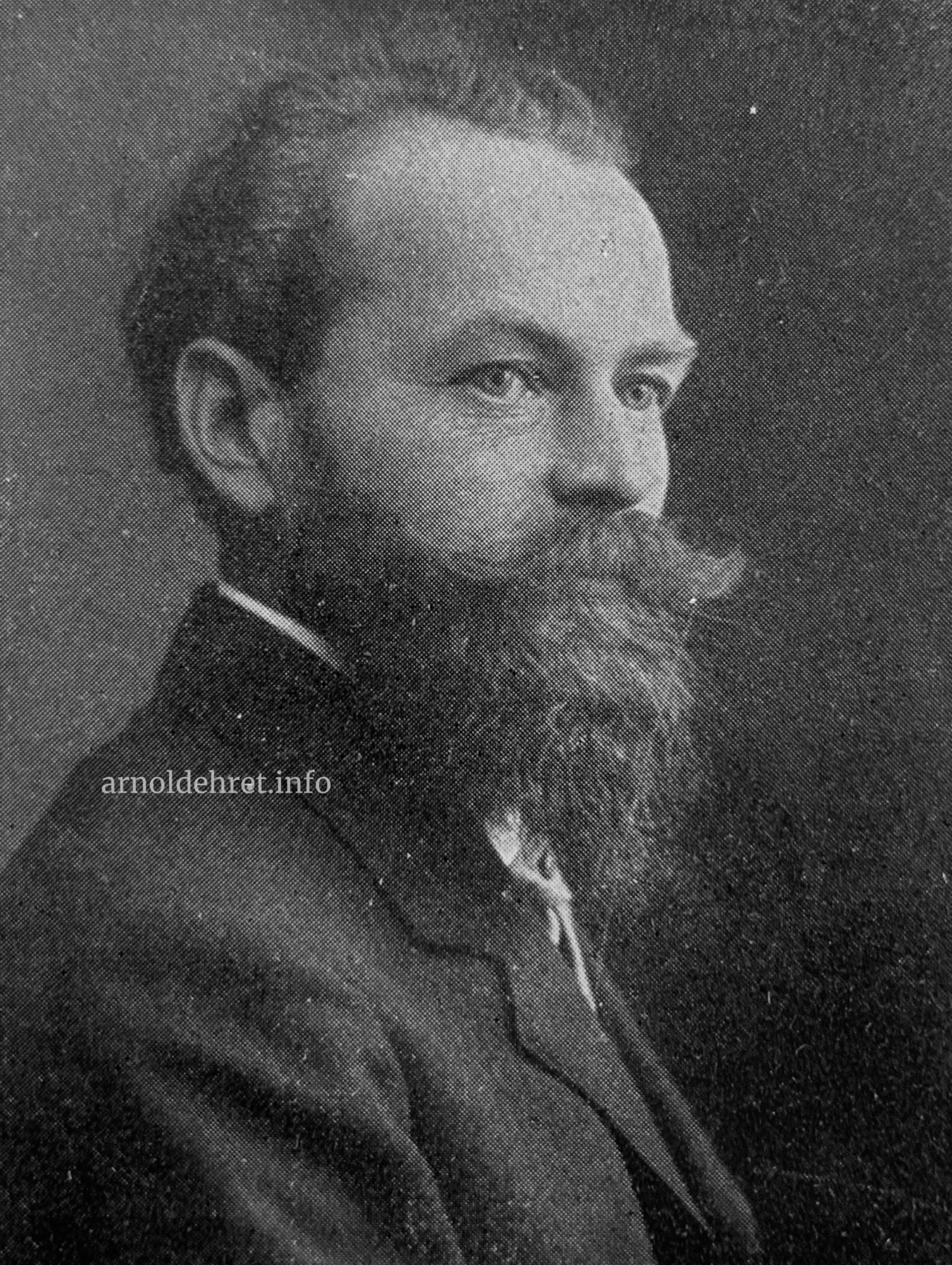
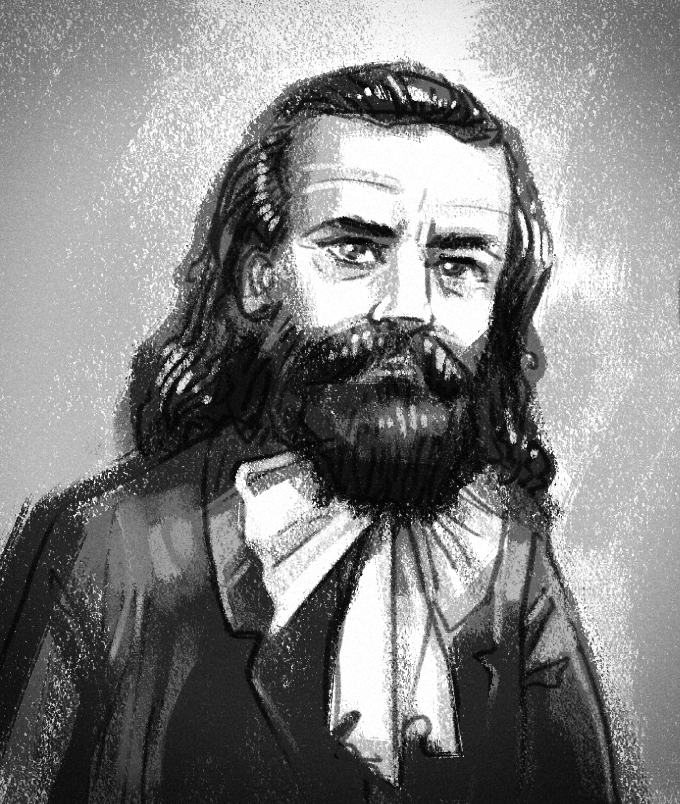
Frequently Asked Questions
Who is Arnold Ehret?
Arnold Ehret was a German naturopath and alternative health educator who became well known for promoting a specific dietary healing approach. He is remembered in alternative-medicine circles as a figure who challenged mainstream medical thinking in the early 20th century.
What is the Mucusless Diet Healing System?
It is the dietary and lifestyle program Ehret developed, centered on the idea that eliminating mucus production through specific eating habits could cure or prevent illness. The system was his signature contribution to the naturopathic and alternative-health movements of his era.
What is Arnold Ehret's role in the pseudoscience canon?
He is typically cited as a prominent example of early-20th-century germ-theory denialism, arguing that microbes were not the true cause of disease. His unscientific claims linking diet directly to the origin of illness placed him squarely in the pseudoscientific camp rather than in evidence-based medicine.
How does Arnold Ehret's story end?
Ehret died on October 9, 1922, which brought a close to his active period of lecturing and publishing. His death left the Mucusless Diet system to continue circulating among followers long after he was gone.
Why is Arnold Ehret considered controversial or important in alternative-medicine history?
Medical experts have long criticized his teachings as dangerous because they discouraged people from seeking conventional treatment for serious conditions. Despite that criticism, he remains a frequently referenced figure in the history of naturopathy and in discussions about the boundaries between legitimate alternative therapy and harmful pseudoscience.
More in Pioneers Of Alternative Medicine And Pseudoscience 1-18
Spotted an error? Know more?
This is a living reference — every entry is fact-audited, and reader corrections feed straight into our audit queue. Suggest an edit · See this site's audit record